Leaky Fuel Threatens Artemis II: NASA's Moon Mission Faces Hydrogen Leaks
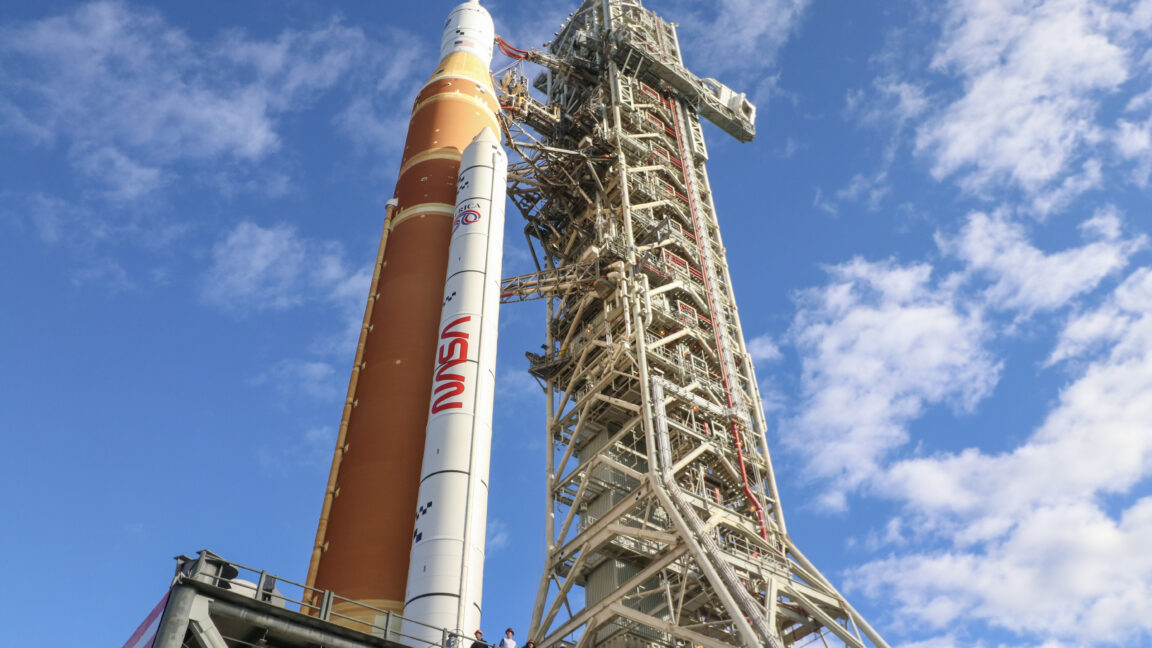
NASA's Artemis II faces hydrogen-leak delays as engineers tackle SLS rocket seals and push the lunar window.
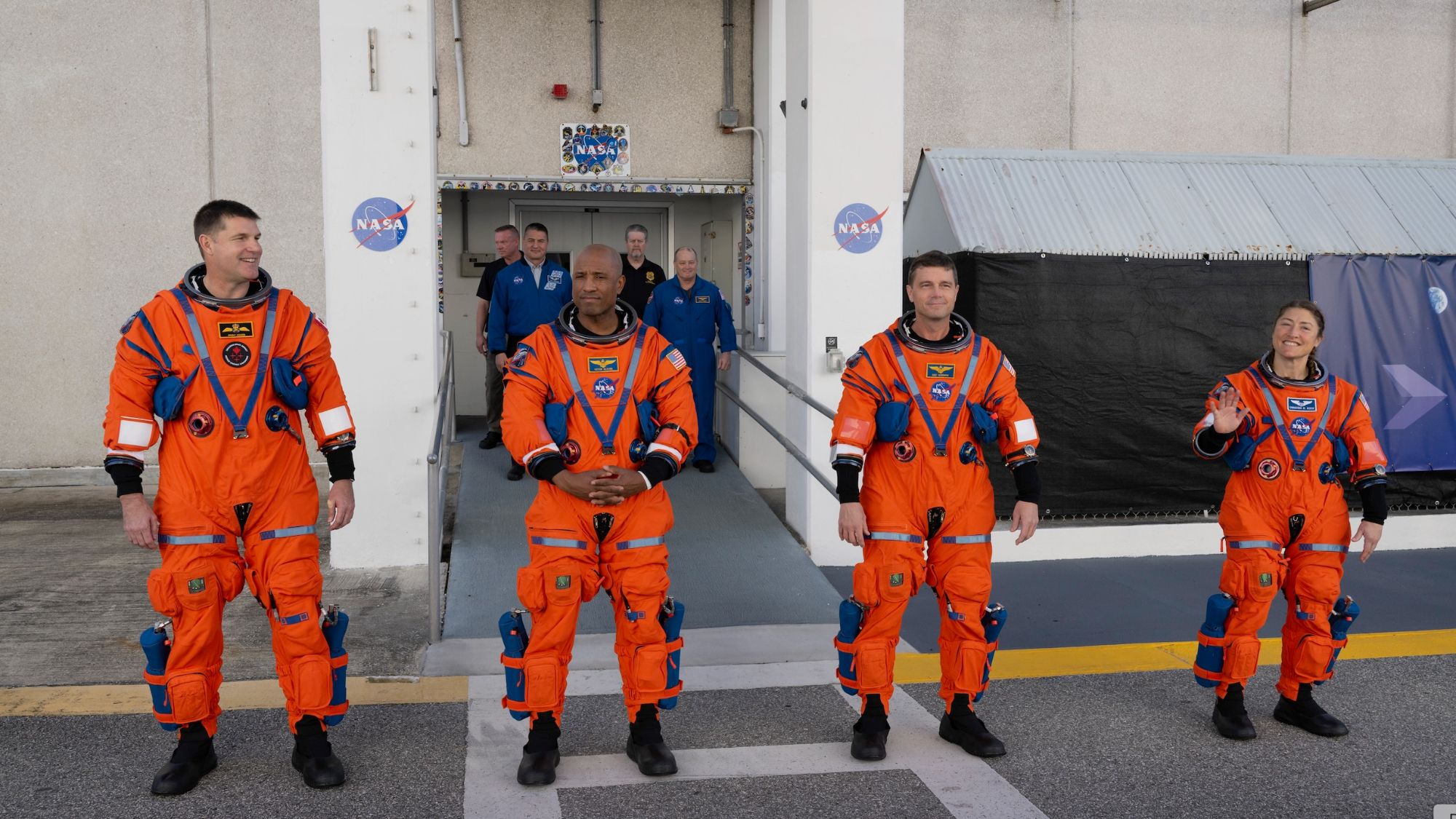
**Reid Wiseman Overview** Gregory Reid Wiseman is an American astronaut, engineer, and naval officer born on November 11, 1975, in Baltimore, Maryland.[4] He earned a Bachelor of Science degree in computer and systems engineering from Rensselaer Polytechnic Institute and a Master of Science in Systems Engineering from Johns Hopkins University.[3] Before joining NASA, Wiseman built a distinguished military career. He was commissioned through ROTC following his 1997 graduation and reported to Pensacola, Florida, for flight training, becoming a naval aviator in 1999.[3] He flew the F-14 Tomcat for Fighter Squadron 101 and later the FA-18F Super Hornet for Strike Fighter Squadron 103.[2] Wiseman deployed twice to the Middle East for Operations Southern Watch, Enduring Freedom, and Iraqi Freedom. After attending the U.S. Naval Test Pilot School in 2004, he worked on advanced aircraft programs including the F-35 Lightning II and served as Strike Operations Officer for Carrier Air Wing Seventeen.[2] NASA selected Wiseman as an astronaut in June 2009 as part of Astronaut Group 20, and he completed training in May 2011.[5] His first spaceflight came as Flight Engineer aboard the International Space Station during Expeditions 40/41 from May to November 2014, a 165-day mission.[4] During this mission, Wiseman and his crew completed over 300 scientific experiments and set a record of 82 hours of research in a single week, while Wiseman performed two spacewalks totaling approximately 13 hours.[1][5] After his spaceflight, Wiseman served as Deputy Chief of the Astronaut Office from June 2017 and was promoted to Chief on December 18, 2020.[4] He stepped down in November 2022 to return to active flight status.[5] On April 3, 2023, NASA announced Wiseman as commander of Artemis II, marking his current role.[5] This mission represents the first crewed lunar flyby since Apollo 17 in 1972, positioning Wiseman as a key figure in humanity's return to lunar exploration.[6]
NASA's Artemis II faces hydrogen-leak delays as engineers tackle SLS rocket seals and push the lunar window.
NASA kicks off Artemis II wet dress rehearsal for the Space Launch System, loading cryogenic propellants ahead of the crewed lunar flyby.
NASA's Artemis 2 tightens the launch window, affecting SpaceX Crew-12 as wet dress rehearsals and lunar alignments shape a February 2026 schedule.
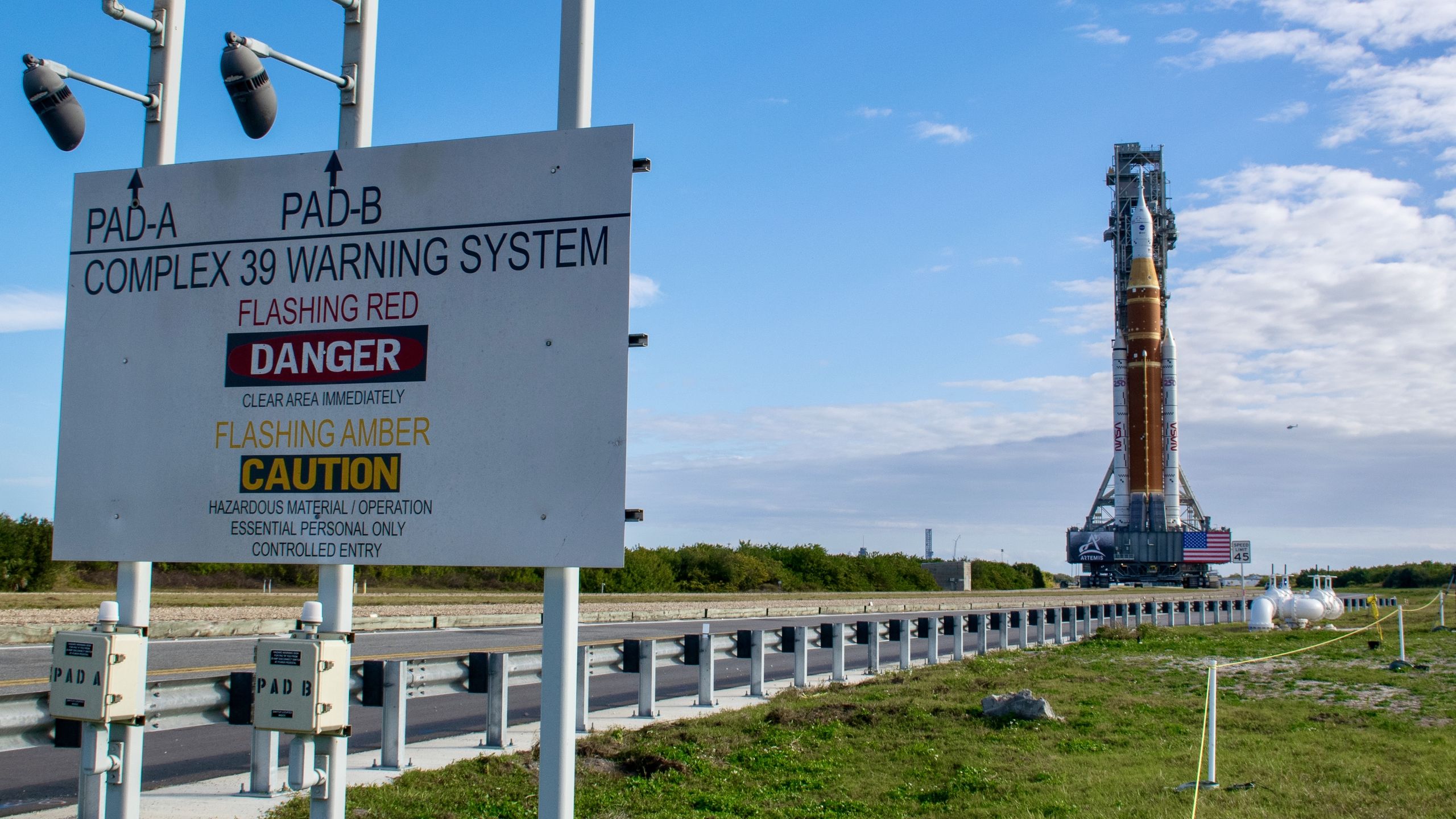
NASA's Artemis II moves to Launch Pad 39B, advancing a crewed lunar mission with four astronauts.
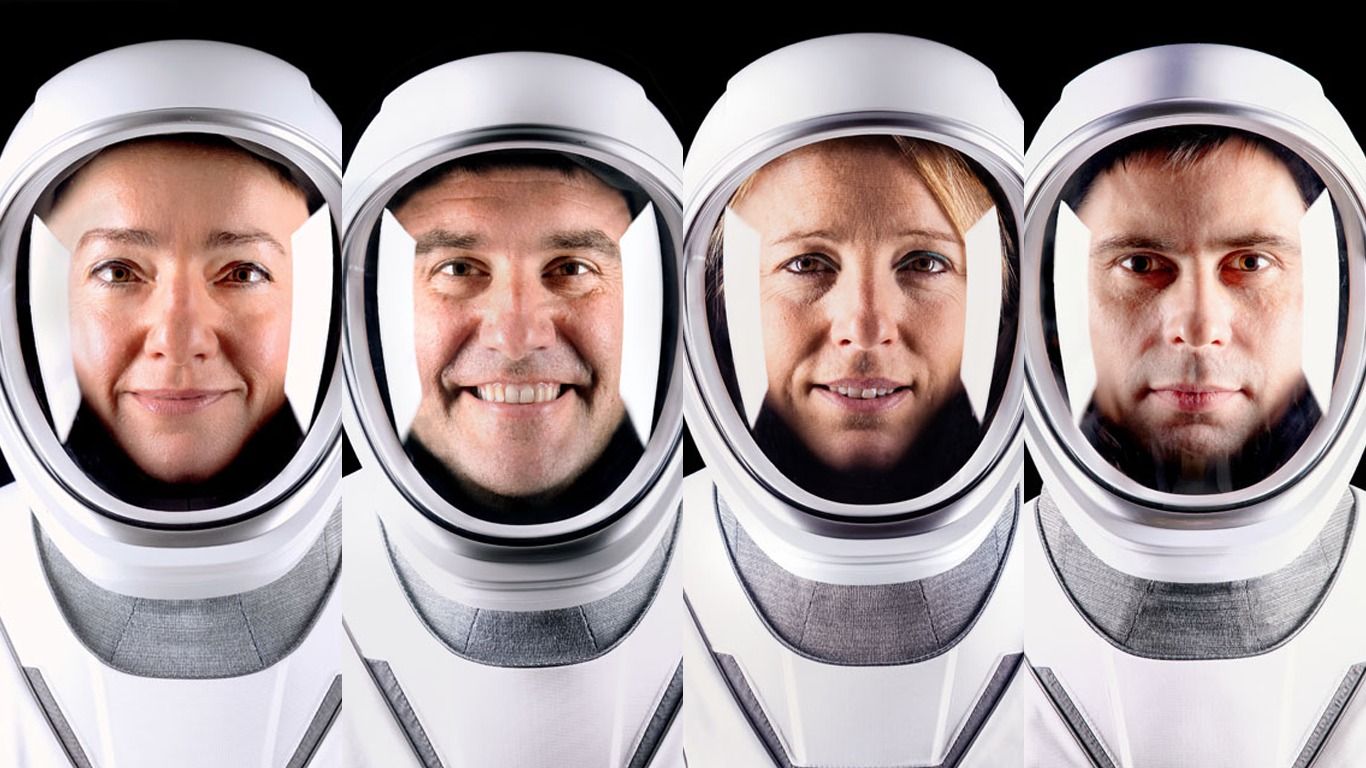
Artemis 2 crew completes a full dress rehearsal at Kennedy Space Center, edging toward a 2026 lunar mission with Orion and SLS procedures.